SUZUKI 14170 Winner Tremolo Harmonica Key
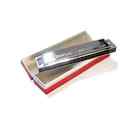
( Brand: Suzuki ), ( Manufacturer Part Number: 14170 ), ( Key: C ), ( Country/region Of Manufacture: Japan ), ( Type: Tremolo )
Review SUZUKI Winner Tremolo Harmonica
The 14170 Suzuki Winner 16 Tremolo Harmonica is a versatile and high-quality musical instrument that is perfect for both beginners and experienced musicians. This harmonica features 16 keys, which allows for a wider range of notes and chords to be played, making it ideal for exploring various musical genres.
The Suzuki Winner 16 Tremolo Harmonica is made with precision and care, using top-quality materials to ensure durability and longevity. The harmonica's housing is made of brass, which provides a rich and resonant sound, while the reeds are made of high-tension stainless steel, ensuring a consistent and stable tone.
One of the standout features of this harmonica is its tremolo function, which adds a vibrato effect to the sound. This can be particularly useful for creating a more expressive and emotional tone, making your music sound more dynamic and engaging.
The harmonica is also easy to play, with a comfortable hand grip and well-spaced keys. The reed plates are precision-tuned, ensuring that every note is clear and in tune. The harmonica also comes with a high-quality plastic case, which protects the instrument from damage and dust.
Overall, the Suzuki Winner 16 Tremolo Harmonica is a fantastic choice for anyone looking for a high-quality and versatile harmonica. Whether you're a beginner just starting out, or an experienced musician looking to expand your musical repertoire, this harmonica is sure to deliver a rich and satisfying sound.
Pros of buying a Suzuki 14170 Winner 16 Tremolo Harmonica Key:1. High-quality construction: The Suzuki Winner 16 harmonica is made with top-notch materials, ensuring durability and longevity.
2. Rich sound: The harmonica produces a full, resonant sound that is pleasing to the ear.
3. Tremolo feature: The tremolo feature adds a subtle vibrato to the sound, enhancing its musicality.
4. Easy to play: The harmonica is designed for easy playing, making it ideal for beginners or intermediate musicians.
5. Affordable price: Compared to other high-end harmonicas, the Suzuki Winner 16 is reasonably priced, making it a great value for money.
Cons of buying a Suzuki 14170 Winner 16 Tremolo Harmonica Key:1. Difficulty in tuning: Harmonicas can be challenging to tune, and the Suzuki Winner 16 may require more frequent tuning than some other models.
2. Requires regular maintenance: Harmonicas require regular cleaning and oiling to maintain their sound quality and prevent rusting.
3. Limited versatility: While the harmonica is a versatile instrument, its range is limited compared to other instruments, such as the piano or guitar.
Conclusion:The Suzuki 14170 Winner 16 Tremolo Harmonica Key is a high-quality, affordable option for beginner or intermediate harmonica players. Its rich sound and tremolo feature make it a great choice for those looking to add a unique sound to their music. However, its difficulty in tuning and maintenance requirements should be considered before making a purchase. Overall, the pros outweigh the cons, and the Suzuki Winner 16 is a great choice for those looking to learn or improve their harmonica skills.
Recommendation:If you are a beginner or intermediate harmonica player looking for a high-quality, affordable option, the Suzuki 14170 Winner 16 Tremolo Harmonica Key is a great choice. With its rich sound, tremolo feature, and easy-to-play design, it is an excellent instrument for learning and improving your skills. Just be prepared to put in some time and effort to maintain it and keep it in tune.
Details:
In a tremolo harmonica the two reeds are tuned slightly off reference pitch, one bit sharp and other flat. The winner comes with a tough cardboard carrying case. The w-16 winner is an inexpensive, quality, performance model, 24-hole, 48-reed, tremolo harmonica for beginners from Suzuki harmonicas have 16 holes, 32 brass reeds, reed plates, abs plastic comb and stainless steel covers. Tremolo harmonicas are a type of harmonica, distinct by having two reeds per note.
This gives a unique wavering or warbling sound created by the two reeds being not exactly in tune with each other and difference their subsequent waveform acting against one another.
part #: 14170 price
- $71.96
specifications harmonicgee:
- brand: Suzuki
- mpn: 14170
- key: C
- country/region of manufacture: Japan
- type: Tremolo
Shipping harmonicgee:
- type: Flat
- cost: $3.5
- handling: 2 days
Returns harmonicgee:
- time: 30 Days
- paid by: Buyer
- type: Money Back
- policy: returns accepted
General harmonicgee:
- condition: New
- Folk World > Harmonicas
- in stock: Yes
Seller harmonicgee:
- # feedbacks 12-05-18: 144
- rating 12-05-18: 99.3%
- zipcode: 77380
- city: Spring, Texas
Payments harmonicgee:
- PayPal
Offer harmonicgee:
- quantity: 36
- bids: 0
- Sold: 0
- Started: December 5, 2018, 7:24 am
- best offer: false
Ratings:
- best stings made and best price!! hands down! 12-01-18
- Good seller. No complaints. 12-02-18
- Worked pretty darn good! Thanks much. A 12-03-18
- nice pins 12-05-18
- Perfect condition, great price, fast shipping!! 12-01-18
Suzuki 14170 Is Similar To:
- 0133587113396 Suzuki Bluesmaster G Harmonica (51.8% similar) Suzuki - used...(October 25th, 2017)
- 0400912628642 Suzuki Harmonette Hohner Harmonica In All Keys Box (51.4% similar) Harmonise reproduction of the harmonica. The harmonise re-issue will have a limited production run of 250 pieces total for worldwide market. Originally introduced in 1909, this 32 reed, octave tuned harmonica features the same red wood en housing, packaging and design as original. Includes a ...(August 14th, 2018)
- 04939334137327 Suzuki Humming Tremolo Key D (59.5% similar) Bringing you the best in musical instruments from quality brands to vintage. Ups signature required. Gear crazy music rocking' for 50 years...(December 28th, 2016)
- 0493933414370 Suzuki Overdrive Harmonica Japan (62.1% similar) New in box Suzuki MR-300 overdrive 10 hole diatonic harmonica...(March 31st, 2018)
- 0635753500127 Suzuki Folkmaster Harmonica Key (58.1% similar) Metal covers, hard shell carrying case. Suzuki folk master harmonica key c easy to play, exceptional sound clarity and perfect tuning. Non-smoking pet free environment...(November 26th, 2017)
- 1072-b Suzuki Folkmaster Harmonica B (59.7% similar) Sanitation fee. Be in brand-new condition, showing no signs of wear or use such as belt-buckle pick scratches, scuffs, dings, scrapes on the instrument collateral materials. Thin bendable reeds produce a mellow tone and the widest choice of sound timbres available from any harmonica manufacturer. ...(December 18th, 2017)
- 1072-bb Suzuki Folkmaster Harmonica In Bb (56.1% similar) You cannot order a harmonica to try it and then return. The Suzuki folk master harmonica is both easy to play and economical purchase. Its exceptional sound clarity and perfect tuning is made possible by a unique laser manufacturing process. This is an entry level harmonica which great for the new ...(December 21st, 2016)
- 1072s Unbranded Suzuki Folkmaster Standard Diatonic Harmonica Se 633076163036 (45.8% similar) This set of harmonicas includes a heavy duty storage case with snap lock top and soft foam dividers that keeps your together holds them for quick easy key selection. The working harmonica player requires a diverse selection of keys to play all songs in each session. The classic, ergonomic design of ...(December 12th, 2018)
- 14070 Suzuki Winner Tremolo Harmonica Key (97.6% similar) This gives a unique wavering or warbling sound created by the two reeds being not exactly in tune with each other and difference their subsequent waveform acting against one another. The winner comes with a tough cardboard carrying case. The W-24 winner is an inexpensive, quality, performance model...(December 5th, 2018)
- 1710-031 Suzuki Harpmaster Diatonic Harmonica With Hard Case Key Msrp (52.7% similar) ...(April 18th, 2018)
- 2003507 Liberty Mountain Suzuki Folkmaster Harmonica One Color Size (42.6% similar) Shipping costs are based on the method of choice and value total order. Carry it along in your pocket or pack with the included hard shell carrying case for tunes remotest of places. Our product development teams are an effective mix of highly skilled climbers, paddlers, backpackers, and cyclists ...(February 8th, 2019)