EAST TOP Lucky Bass Blues Harmonica Diatonic Harp Mouth 726312273764 Organ Profess
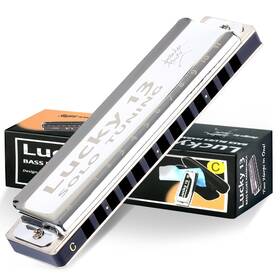
( Brand: East Top ), ( Part Type: Harmonica Harp Organ ), ( Color: Key Of C ), ( Size: Solo ), ( UPC: 726312273764 ), ( Package Dimensions Lxwxh: 5.71x2.01x1.46 Inches ), ( Weight: 0.31 Pounds )
Review EAST TOP Lucky Bass Plus Blues Harmonica Holes Diatonic Harp Mouth Organ Profess
Introducing the Lucky 13 Diatonic Harmonica by Hohner, a must-have instrument for any blues musician or harmonica enthusiast. With the model number 726312273764, this harmonica stands out as a professional-grade diatonic harp that delivers rich, resonant tones and exceptional playability.
The Lucky 13 harmonica is a versatile instrument, designed in the key of C and fully chromatic, meaning it can play all 12 keys without the need for multiple harmonicas. It is a blues harmonica at its core, boasting a traditional tuning that is perfect for playing blues, rock, and country music.
Hohner's commitment to quality is evident in every detail of the Lucky 13 harmonica. The comb is made from a high-quality plastic material that is both durable and lightweight, while the reed plates are crafted from brass for optimal tone and response. Each reed is meticulously tuned and adjusted for superior performance, ensuring that every note rings true.
The Lucky 13 harmonica features a unique and sleek design, with a metallic blue finish that adds a touch of style to any stage or practice session. The covers are made from a special impact-resistant material, making it an ideal choice for musicians who want a harmonica that can withstand the rigors of regular use.
Playing the Lucky 13 harmonica is a joy, thanks to its ergonomic design and comfortable mouthpiece. The rounded corners and smooth edges make it easy to grip and play, even during long performances or practice sessions. The mouthpiece is designed to provide optimal airflow, allowing for easy and expressive playing.
Whether you're a seasoned harmonica player or just starting out, the Lucky 13 Diatonic Harmonica by Hohner is an excellent choice. Its rich, full sound, exceptional playability, and durable construction make it a valuable addition to any musician's collection. So if you're looking for a harmonica that delivers professional-grade sound and performance, look no further than the Lucky 13 Diatonic Harmonica by Hohner.
Pros and Cons of Buying a Lucky 13 Bass Blues Harmonica: A Comprehensive Analysis
Introduction:The Lucky 13 Bass Blues Harmonica, also known as a diatonic harmonica or mouth organ, is a popular choice among musicians in various genres, especially in blues and rock music. In this analysis, we will discuss the key advantages and disadvantages of purchasing a Lucky 13 Bass Blues Harmonica to help you make an informed decision.
Pros:1. Rich, Deep Tones: The Lucky 13 Bass Harmonica produces a rich, deep sound due to its unique design, which includes an extra reed plate that adds an additional note (typically Low E) to the standard diatonic harmonica setup. This additional note expands the harmonic possibilities and enables players to add depth and texture to their performances.
2. Versatile: The Lucky 13 Bass Blues Harmonica can be used in various music genres, including blues, rock, country, and folk. Its unique sound and expanded tonal range make it a versatile instrument for both solo and ensemble performances.
3. Durable: Lucky 13 Harmonicas are known for their durability. They are made from high-quality materials, such as brass or stainless steel, and are designed to withstand the rigors of regular use.
4. Easy to Learn: Diatonic harmonicas, including the Lucky 13 Bass Blues Harmonica, are relatively easy to learn compared to other harmonica types. Their simple design makes it easier for beginners to understand the basics of harmonica playing, and their affordability makes them an excellent choice for those just starting their harmonica journey.
5. Affordable: The Lucky 13 Bass Blues Harmonica is generally more affordable compared to other specialized harmonicas, such as chromatic harmonicas. This makes it an excellent choice for musicians on a budget.
Cons:1. Limited Range: While the Lucky 13 Bass Blues Harmonica offers a unique and expanded tonal range compared to standard diatonic harmonicas, it still has limitations. It only covers the lower end of the musical scale, which may not be sufficient for certain genres or playing styles.
2. Requires Adjustment: Like all harmonicas, Lucky 13 Bass Blues Harmonicas require regular adjustment to maintain proper playability. This can be time-consuming and may require a certain level of skill or the help of a professional technician.
3. Difficulty in Playing Higher Notes: The Lucky 13 Bass Blues Harmonica focuses on the lower end of the musical scale, making it more challenging to play higher notes. This can limit the overall expressiveness and tonal range of the instrument.
4. Limited Availability: Lucky 13 Bass Blues Harmonicas may not be as widely available as standard diatonic harmonicas. This can make it more difficult for musicians to find these harmonicas in local music stores or online retailers.
Conclusion:The Lucky 13 Bass Blues Harmonica offers a unique and rich sound that can expand the harmonic possibilities for blues, rock, and other music genres. Its affordability, durability, and ease of learning make it an excellent choice for musicians looking to add depth and texture to their performances. However, its limited range, requirement for regular adjustment, and difficulty in playing higher notes are important considerations to keep in mind. Ultimately, the decision to purchase a Lucky 13 Bass Blues Harmonica depends on your specific musical goals, playing style, and budget.
Recommendation:If you are looking for a harmonica with a unique sound, an expanded tonal range, and a rich, deep tone, the Lucky 13 Bass Blues Harmonica is an excellent choice. Its affordability and ease of learning make it an ideal instrument for beginners and intermediate players. However, if you require a wider range or the ability to play higher notes, you may want to consider alternative harmonica types, such as chromatic harmonicas. Ultimately, it is essential to consider your specific musical goals, playing style, and budget before making a decision.
Details:
ABOUT THIS ITEM: Lucky 13 Designer BRENDAN POWER Explains, The extended length of the lends itself well to harmonica turnings that repeat every four holes, since they require extra holes achieve same 3 octave range as Richter does in a 10-hole harp. Solo simply repeats that pattern throughout the harp. I chose the popular Orchestra variant of Solo Tuning, where scale starts a fifth below tonic note. My Lucky 13 in Solo Tuning comes the keys of C,and.
Its actually exactly the same scale as on holes 4-7 a standard Richter diatonic, so all harp players will instantly feel at home with it. An excellent tuning for playing pop melodies, its also great 3rd Position Blues and Celtic music. Its half-valved, to give strong, expressive blow notes as well bendable draw on the odd-numbered holes. SOLO TUNING is the best known of these.
specifications harmonicgee:
- brand: East Top
- part type: Harmonica Harp Organ
- color: Key Of C
- size: Solo
- upc: 726312273764
- package dimensions lxwxh: 5.71x2.01x1.46 Inches
- weight: 0.31 Pounds
payments harmonicgee:
- credit card: Diners-club
- other
- wallet: Paypal
shipping harmonicgee:
- cost: $0.00
- class: Standard
- transit: 3-9 Days
- service: Standard
- type: Fixed
seller harmonicgee:
- rating: 99.8%
- # reviews: 1365
- city: Brentwood, New York
general harmonicgee:
- condition: New
- Wind wood wind > Folk World > Harmonicas
offer harmonicgee:
- sold: 0
- availability: In Stock
- quantity: 1
- options: Ship-to-home
- started: February 12, 2025
returns harmonicgee:
- method: Money back
- time: 30 Days
- policy: Returns Accepted
- paid by: Seller
East Top 726312273764 Is Similar To:
- Tbs111 East Top Holes Professional Diatonic Blues Harmonica Key 611029295416 (37.2% similar) ...(May 29th, 2019)
- T12-48 Easttop Chromatic Harmonica Key Of East Top (32.9% similar) Missing a cloth. Great buy here. East Top T12-48 chromatic harmonica key of c East Top...(April 6th, 2020)
- 5263419129 East Top Hole Tone Diatonic Harmonica Key Blue 611029295317 (36.1% similar) Maintain and clean tip: use 70 ethyl alcohol,and spray on the cover comb,after about 15 seconds,use cloth to wipe surface. 10 hole 20 tone diatonic harmonica key blue case standard harmonicas profess. Wedding anniversary etc it has a great sound and comfortable to the lips when played. 9MM version, ...(July 4th, 2020)
- 667673892556 East Top Blues Harmonica Key Of Holes Tones (46.1% similar) Maintain and clean tip: use 70% ethyl alcohol, and spray on the cover and comb, after about 15 seconds, use the cloth to wipe the surface. New condition. Instrument: harmonica, color: blue, brand: East Top, upc: 667673892556...(January 14th, 2022)
- 712367474003 East Top Holes Tremolo Harmonica Key Of (36.5% similar) New condition. Brand: East Top, style: brass-and-woodwind-instruments, color: key of g, bore size: 24, size type: regular, upc: 712367474003...(January 24th, 2022)
- 634759565178 East Top Gong Spring Polyphonic Harmonica Tone Silver (33.3% similar) New in original box. Box has been opened for inspection and product is in new, working condition. Open box condition...(February 7th, 2022)
- 313034897806 East Top Harmonica Set For Adults Professionals And (40% similar) Great for harmonica players, beginners and kids. New condition...(February 14th, 2022)
- 611029295287 East Top Tremolo Harmonica Key Of Holes Professional (42.2% similar) Maintain and clean tip: use 70% ethyl alcohol, and spray on the cover and comb, after about 15 seconds, use the cloth to wipe the surface. Open box condition. Color: key of c, brand: East Top, upc: 611029295287...(February 20th, 2022)
- 445003651614 East Top Harmonica Updated Diatonic Key Holes Tones (43.8% similar) New condition. Brand: East Top, color: T008K-BK-C-N, material: reed plastic, upc: 445003651614, ean: 07445003651614...(February 21st, 2022)
- 445047489419 East Top Blues Harmonica Key Of Holes Tones (46.1% similar) New condition. Brand: East Top, color: blue, material: reed brass plastic, upc: 445047489419, ean: 07445047489419...(February 21st, 2022)
- 313114429484 East Top Chromatic Harmonica Key Of Holes Tones (39.7% similar) Pocket size and easy bring mini size, you can put it into your pocket, it can be played everywhere, such as party, school, office and trip etc. New condition. Brand: East Top, color: T10-40, material: Stanley reed brass canvas plastic, upc: 313114429484, ean: 0313114429484...(February 24th, 2022)